
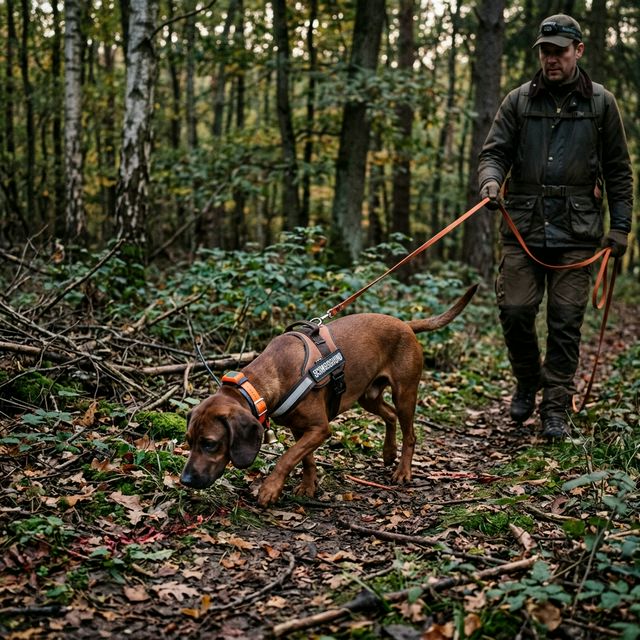
Blood Tracking Dogs: The Ultimate Whitetail Recovery Tool
When the blood trail drops to a single drop every twenty yards and the tracks fade, a trained blood-tracking dog is the ultimate lifesaver. Learn the legality, the specialized breeds, and the ethics of K9 recovery.
The recovery process is arguably the most critical, emotionally taxing phase of any hunt. Even with a perfectly placed archery shot, a mature whitetail buck can occasionally run 150 yards into impenetrable, chest-high swamp grass before expiring.
At Wildsnap, we have found that even the most highly experienced, veteran human trackers can easily lose a trail when the physical blood drops completely stop due to an animal’s fat plugging the exit wound. This is the exact moment where K9 Forensics transitions from a luxury into the ultimate ethical tool.
A highly trained tracking dog doesn’t just look for red spots on leaves; they follow a vastly more complex, invisible chemical highway that a human eye can never physically see.
1. Understanding the “Cold-Scent” Recovery
A tracking dog’s nose is not just smelling an odor; it is actively rendering a 3D-mapped chemical trail of the wounded animal’s exact path of travel.
The Invisible Scent Cloud
When a deer is wounded, its body undergoes massive physiological trauma, instantly releasing hyper-specific stress hormones (like cortisol) and distinct chemical markers through its interdigital glands (the hooves) and breath.
- Dander and Scurf: As the deer runs, it sheds microscopic skin cells (scurf) and hair covered in these stress hormones. This creates a highly specific “Scent Cloud” that falls to the ground.
- The Dog’s Advantage: A trained blood dog can definitively differentiate between the background ambient scent of a healthy, non-stressed deer that walked through the area an hour ago, and the agonizing “Cold-Scent” trail of your wounded target buck, even 24 to 36 hours after the physical shot took place.
Species-Specific Tracking Breeds
While your family Golden Retriever might occasionally stumble upon a dead deer in the woods, professional handlers rely on genetically specialized lineages bred specifically for ground-scent tracking over immense distances.
- The Low-to-the-Ground Specialists: We heavily advocate for breeds like the Bavarian Mountain Hound, the Hannover Hound, or the deceptively rugged Wirehaired Dachshund (Teckel).
- The Wind Factor: Because these dogs are built incredibly close to the ground, their noses operate entirely below the fast-moving thermal wind-drifts that can easily pull a delicate scent trail 5 feet into the air, confusing taller, long-legged breeds like labs or pointers.
2. The Hunter’s Role: Do No Harm
The ultimate success or failure of a tracking dog depends almost entirely on how the hunter behaves in the woods before the handler ever arrives at the property.
1. Back Out Immediately
The most common reason dogs fail to find a deer is hunter interference. If you follow a blood trail for 100 yards, lose the blood, and then spend two hours walking in massive grid circles trying to find the next drop, you are ruining the scene.
- Scent Contamination: Walking back and forth physically spreads your massive, heavy human dander across the deer’s delicate scent path. You are also stepping in microscopic blood droplets and tracking them in the wrong direction on the bottom of your boots, creating massive, confusing “Scent Noise” that the dog’s brain now has completely filter out. If the blood stops, STOP walking immediately.
2. Mark the Scene, Don’t Trample It
Use bright, biodegradable toilet paper or drop a digital pin on your GPS hunting app to mark the exact location of the “Last Blood.” Do not walk a single foot past this point. Treat the area as a contaminated crime scene until the dog’s nose is on the ground.
NIGHT-RECOVERY SAFETY: Predator Interactions and Leash Hazards
Recovering a deer late at night on a long 30-foot lead line introduces severe, unique hazards to both the hunter and the dog.
- Night-Predators: You are moving rapidly through thick, noisy brush, almost entirely focused on watching the dog’s body language. This tunnel vision makes you highly vulnerable to apex predators (like packs of coyotes, black bears, or mountain lions) who have also smelled the wounded deer and are actively tracking the exact same blood trail. You MUST carry high-lumen lighting, bear spray, or a legal sidearm, and maintain positive, constant verbal communication with the handler.
- Leash-Line Entanglement: In the massive adrenaline rush of the dog suddenly catching the intense final scent, it is incredibly easy for a hunter following behind to trip over the heavy tracking lead or get the dog violently caught in low-hanging barbed wire or heavy vines. Always carry a sharp, easily accessible rescue knife to instantly cut the long-line in an emergency if the dog becomes dangerously entangled.
Legality
Before calling a dog, you must verify your local hunting regulations. While the vast majority of progressive whitetail states (like Ohio, Wisconsin, and Texas) highly encourage the use of leashed tracking dogs to ensure ethical harvest recovery, a few states still have archaic laws restricting their use or requiring the dog to remain on a fixed-length leash.
A tracking dog provides the definitive, final closure every ethical hunter owes the animal they pursue. Respect the incredible power of the nose, trust the professional handler, and use these amazing animals to ensure a 100% recovery rate.