
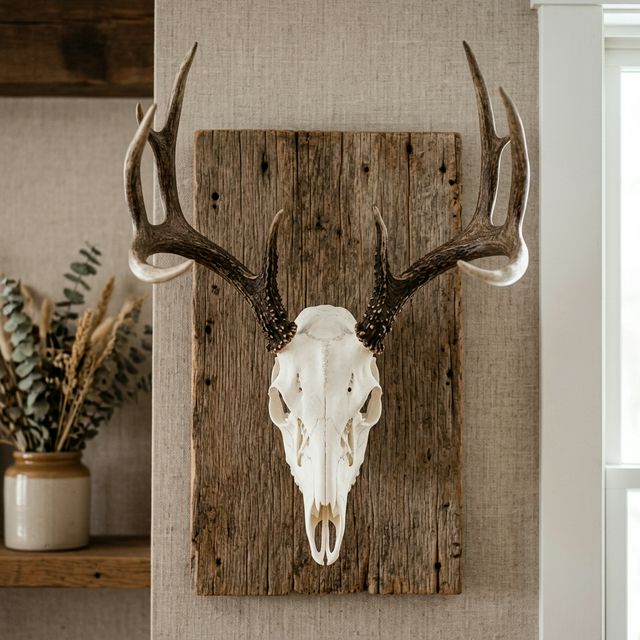
DIY European Mounts: Master the Art of Whitening a Deer Skull
Save on taxidermy with a museum-quality European mount. Step-by-step maceration, degreasing, and peroxide whitening for a lasting whitetail skull.
A European mount—a bare, whitened skull with antlers intact—is one of the cleanest ways to honor a deer without the wall space or $600–$800 cost of a shoulder mount. Done right, it looks sharp for decades. Done wrong, it yellows, stinks, or falls apart within a year.
The biggest mistake hunters make is boiling the skull hard and skipping degreasing. Fat cooked into porous bone is nearly impossible to pull out later. A soft simmer, a patient soap soak, and peroxide whitening (never chlorine bleach) produce a mount that stays bright and stable.
If you also want a full shoulder mount someday, get the field cape right first—or decide early that this buck is a Euro only.
Tools and Materials Checklist
Gather everything before you start. Working outdoors or in a well-ventilated garage is strongly preferred.
- Large stainless or enamel pot (big enough for the skull)
- Propane burner and thermometer (target 160–180°F)
- Sodium carbonate (washing soda), about ½ cup per pot
- Soft brushes, forceps, and a gentle power-washer or hose nozzle
- Plastic bucket for degreasing
- High-surfactant dish soap (Dawn Platinum or similar)
- 40-volume clear hydrogen peroxide (beauty-supply grade)
- Basic White bleaching powder (or similar peroxide thickener)
- Paintbrush, plastic wrap, chemical gloves, wraparound goggles
- Optional: epoxy and brass mounting hardware for the finished display
Expect 4–8 hours of active simmer/cleaning work, then 2–4 weeks of degreasing, then 24 hours of whitening.
Phase 1: Soft Simmer and Soft Tissue Removal
Never drop a skull into a rolling boil. Boiling cooks fat into the bone (permanent yellow later), shreds paper-thin nasal turbinates, and can loosen cranial sutures so plates separate.
Soft simmer technique
- Remove as much flesh as you can with a knife before the pot—leave the antlers dry and out of the water if your pot allows, or wrap the brow bases so they stay clean.
- Fill the pot so the skull is covered. Hold water at 160–180°F—heavy steam, no rolling bubbles.
- Add about ½ cup sodium carbonate (Arm & Hammer Super Washing Soda). The alkaline solution softens tissue into a gel you can wipe or rinse away.
- Simmer 2–4 hours, checking every 30–45 minutes. Pull the skull, scrape soft tissue, and return it until muscle and membrane are gone.
Use forceps for the brain cavity and nasal passages. A gentle hose blast helps, but keep pressure low around the thin facial bones. Do not pry hard on sutures.
Brain and cavity cleanup
Scoop brain tissue through the foramen magnum. Flush the cavity repeatedly. Leftover brain and grease are the main causes of odor months later. When the skull looks bare and pale (not chalky white yet), rinse thoroughly and move on—whitening comes last.
Phase 2: The Degreasing Marathon
This is the step most hunters skip. Mature bucks, especially rutting animals, carry a lot of oil in the bone. Skip degreasing and the mount will turn greasy yellow and smell within 6–12 months.
Soap soak protocol
- Submerge the clean skull in warm water with a heavy dose of dish soap in a plastic bucket.
- Soak a minimum of 2 weeks.
- Change the water every 48 hours. Cloudy water means grease is still leaching out.
- Continue until water stays clear for a full 2-day cycle.
Warm (not boiling) water speeds extraction. Keep the bucket out of direct sun so you do not accidentally “cook” residual fat back into the bone. If you are short on time, plan the mount for the off-season—rushing this phase is how DIY Euros fail.
For especially oily skulls, some processors add a degreasing agent like white gas or acetone in a well-ventilated outdoor step after the soap soak. That is optional for most whitetails but helps on old, rut-heavy bucks.
Phase 3: Whitening With Peroxide (Never Bleach)
Household chlorine bleach (sodium hypochlorite) destroys bone matrix. Bleached skulls turn chalky, shed white dust, and eventually crumble. Professionals use concentrated hydrogen peroxide instead.
Paste method
- Mix 40-volume clear hydrogen peroxide with Basic White powder into a thick frosting-like paste.
- Brush paste onto all bone surfaces. Keep paste off the antlers—peroxide will bleach the brown permanently.
- Wrap the skull in clear plastic wrap. Place it in front of a space heater or in warm sun for about 24 hours. Heat drives the reaction into the bone and helps disinfect.
- Rinse thoroughly with cold water. Air-dry completely before mounting.
If the skull is still slightly ivory, a second thin coat after full drying usually finishes the job. Aim for bright white bone, not chalk that powders when touched.
Mounting and Display Options
Once dry, most hunters mount the skull on a hardwood plaque or floating shelf.
- Hardware: Drill carefully through the occipital region or use a commercial Euro mount kit. Avoid oversized screws that crack thin bone.
- Antler protection: Wipe antlers with a light furniture wax or clear coat if you want to reduce drying and color fade—keep any sealer off the whitened bone.
- Scoring context: If you plan to score the rack before mounting, do measurements before you epoxy anything that changes beam access.
A Euro pairs well with photos and a short hunt journal entry. Keep the display out of direct UV if you want antler color to last longer.
Common Mistakes That Ruin Skulls
Avoid these problems before they start:
- Hard boil — fat locked into bone; plates separate.
- Skipping degrease — yellow, sticky skull within a year.
- Chlorine bleach — chalky, flaking, failing bone.
- Peroxide on antlers — permanent white rings at the bases.
- Sealed plastic bag while warm — trapped heat and bacteria before degreasing even starts.
- Aggressive power-washing — destroyed nasal bones and cracked sutures.
If a skull yellows after display, you can sometimes re-degrease and re-whiten, but results are never as good as doing it right the first time.
Chemical and Fire Safety
40-volume peroxide is far stronger than 3% first-aid peroxide. It can burn skin and permanently damage eyes.
- Wear chemical-resistant gloves and sealed wraparound goggles for all whitening work.
- Work outdoors or with strong ventilation.
- Never leave a propane simmer unattended—rendered grease and water on an open flame can flash into a grease fire.
- Keep kids and pets away from buckets of soapy skull water and peroxide paste.
- Dispose of spent peroxide paste according to local hazardous-waste guidance; do not pour concentrated peroxide into a septic system without dilution and caution.
For the meat side of the harvest, keep a solid kill kit and follow clean field dressing so the animal is fully used, not just the skull.
Storage Before and After Whitening
Between simmer and degrease, keep the skull in a cool, ventilated space—not a sealed tote. Bacteria thrive in warm, closed containers and create odor that degreasing alone may not fix.
After the mount is on the wall, dust with a soft brush monthly. Avoid kitchen grease zones and wood-stove smoke, which yellow bone over years even when degreasing was done well.
Frequently Asked Questions
How long does a full DIY European mount take start to finish? Active work is usually one long simmer day plus a whitening day. Degreasing takes 2–4 weeks depending on how oily the buck is. Plan on roughly a month for a quality result.
Can I bury the skull instead of simmering? Burial and beetle colonies work, but they are slower and less predictable for most backyard setups. Soft simmer plus degrease is the most controllable home method for hunters who want consistent color and intact nasal bones.
What if the nasal bones already fell out? Save the pieces, dry them, and epoxy them back after whitening. Many commercial mounts have repaired turbinates—just take your time and dry-fit before glue.
Is maceration (cold water rot) better than simmering? Cold maceration is gentler on bone but smells worse and can take weeks. Soft simmer is faster for most DIY hunters if you stay under a true boil and degrease thoroughly afterward.
Do I need to seal the whitened bone? Optional. A very light matte clear coat can help resist fingerprints and dust. Test on a scrap first—some coatings yellow. Many hunters leave bare whitened bone and dust with a soft brush.
Can I Euro-mount a skull that was already frozen? Yes. Thaw fully, then follow the same simmer and degrease steps. Freezing does not replace degreasing.
Take your time on degreasing, respect the peroxide, and you will end up with a clean, lasting tribute—not a yellowing reminder of a rushed weekend project.