
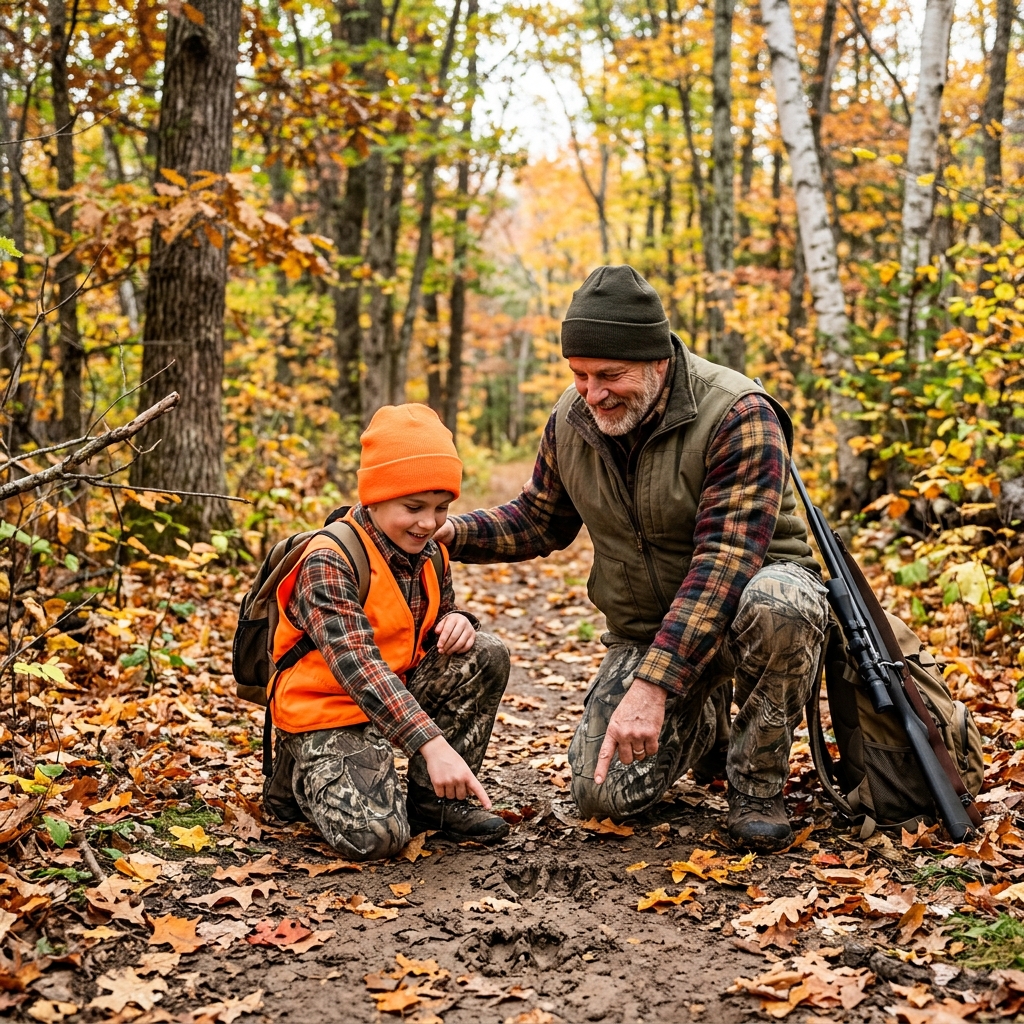
Mentoring the Next Generation: A Guide to Youth Hunting
Mentor youth hunters the right way: short sits, ground blinds, snack morale, low-recoil fitment, and safety habits that make kids eager for the next trip.
The future of whitetail conservation depends on mentoring the next generation. Taking a child on a first hunt is a responsibility, not a photo opportunity.
If the day is bitterly cold, boring, or stressful, you risk losing their interest for years. If it feels like an adventure built around comfort and patience, you gain a hunting partner for life. Successful mentoring is not about killing a deer—it is about managing the human experience.
Start With Expectations, Not Antlers
Before the first sit, set clear goals with the young hunter:
- We are going to listen, watch, and learn
- Seeing tracks, squirrels, or a doe counts as a win
- We leave while we are still having fun
- Safety rules end the hunt immediately if broken
Kids mirror adult pressure. If you treat every blank sit as failure, they will too. Frame the day as exploration first and harvest second.
The Snack Strategy and Half-Day Rule
Abandon rigid “deer camp discipline” when hunting with children. Comfort, snacks, and short sits keep morale high.
Snack logistics that work:
- Pack quiet foods: crackers, fruit leather, granola bars, soft drinks without crinkly wrappers
- Bring a thermos of hot chocolate for cold mornings
- Allow a quiet book or muted tablet for the slow middle of a sit if needed
The half-day rule: rarely stay past 10:00 AM on a morning sit or past the first hour of dark on an evening. Leave while they still want more. Your goal is “When can we go again?”—not “When can we leave?”
A slightly fidgety but happy kid in a blind beats a silent, miserable child who never returns.
Why Ground Blinds Win for Youth Hunts
A fully enclosed pop-up ground blind is the best classroom for most youth hunts. It hides fidgeting, blocks wind for a safe heater setup, and creates a controlled space for muzzle discipline.
Blind setup checklist:
- Brush the blind into existing cover at least a week early when possible
- Place chairs so feet stay dry and backs stay supported
- Open only the needed shooting window to avoid light-bleed silhouettes
- Keep a soft blanket and dry gloves in a tote
For deeper blind tactics that translate well to mentoring sits, read ground blind strategies.
Firearm Fit, Caliber Choice, and Recoil
Never hand a small child a full-size adult rifle. Poor fit and harsh recoil create a lifelong flinch.
Practical fit rules:
- Length of pull should let the shooter mount the gun without stretching or climbing the stock
- Start with low-recoil options such as a .243 Winchester, 350 Legend, or a well-fitted youth shotgun with appropriate slugs where legal
- Use a solid rest or sandbags so the shooter is not fighting muzzle jump
- Mandate double hearing protection: foam plugs under electronic muffs
Success metrics for the first seasons should include safe handling drills, dry-fire practice, and calm shot execution—not inches of antler.
Teaching Safety Without Killing the Fun
Safety inside a tight blind is non-negotiable, but instruction can stay calm and clear.
Muzzle control: the barrel stays pointed at the ground or out a designated safe window 100% of the time. If that rule fails, the hunt ends immediately—no debate.
Loaded status: teach a verbal check—“Is it safe?”—before every movement, snack break, or exit from the blind.
Shot decision coaching: talk through shot angles before a deer appears. Use photos or a foam target at camp so the first real opportunity is not the first lesson in anatomy. Pair this with whitetail anatomy and shot placement when they are ready for more detail.
Keep corrections short and specific. Long lectures in a cold blind teach frustration, not safety.
Choosing the Right Hunt Day and Stand
Pick easy wins early. Hardcore all-day public-land sits are for later seasons.
Better first-hunt setups:
- Short walks (under 200–300 yards)
- Known doe traffic near food edges
- Mild weather days above freezing when possible
- Evening sits with warm clothes staged at the truck
Avoid the coldest fronts, steep climbs, and high-pressure weekends for the first few trips. Build competence, then add challenge.
If you use cameras to find low-pressure evening patterns for a youth sit, keep scouting low-impact with ideas from cellular trail cameras for deer hunting.
After the Shot: Mentoring Through the Hard Parts
A first harvest—or a miss—is a teaching moment. Stay steady.
If they miss: praise the decision to shoot only when ready, then review calmly at the truck.
If they connect:
- Wait the appropriate time based on shot location
- Let them help mark blood and walk the trail at a pace they can handle
- Involve them in field dressing only as much as they want
- Celebrate the meat, the process, and the ethics—not just the photo
Processing and meals close the loop. Cooking a simple meal from the harvest, or learning basic cuts with a guide like DIY venison processing, turns the hunt into a full tradition.
Building a Season-Long Mentorship Plan
One trip is not mentoring. Build a simple season plan:
| Phase | Focus | Time target |
|---|---|---|
| Summer | Range practice, gear fit, camp skills | 2–4 short sessions |
| Early season | Evening food-edge sits | 2–3 half-day hunts |
| Peak season | One longer sit if morale is high | Optional |
| Post-season | Habitat walk, camera review, cooking | 1 outing |
Track what they enjoyed. Double down on those elements next year. Mentorship fails when adults force their own style onto a beginner.
Clothing and Warmth Without the Misery Spiral
Cold is the fastest way to end a youth hunting career. Adults who “tough it out” forget that kids lose heat faster and have less patience for numb fingers.
Warmth system that works:
- Walk in light; pack the heavy coat for the blind
- Merino or synthetic base layers—no cotton sweatshirts soaked on the hike
- Extra socks and gloves in a dry bag
- Chemical hand warmers only after they are seated and dry
- Insulated seat pad so cold ground or a metal chair does not wick heat
If they say they are cold once, believe them and fix it immediately. Waiting until teeth chatter teaches them that hunting equals suffering.
For deeper cold-weather systems you can scale down for kids, skim cold weather layering and adapt thicknesses—not all-day public-land extremes—for short blind sits.
Talking Through Shot Selection Before It Happens
The worst time to explain quartering angles is when a doe is at 25 yards and adrenaline is high. Role-play at home and in the blind before deer appear.
Cover in plain language:
- Broadside and slight quartering-away are green-light shots
- Hard quartering-to and frontal are no-go for beginners
- Wait for a clear lane—brush is not a suggestion
- If they feel rushed, they should not shoot
Agree on a quiet signal system: a tap on the knee means “get ready,” a hand on the barrel means “safe / do not shoot.” You stay responsible for the final safety veto even when they are legal shooters. That shared language prevents frozen panic and unsafe muzzle swings.
Dealing With Other Hunters and Social Pressure
Youth hunts often happen on family farms or club properties where adults tell stories about “the big one” and joke about skunked kids. Protect your mentee from that noise.
- Sit apart from loud camps when possible
- Celebrate effort in front of other adults
- Shut down teasing about misses immediately
- Avoid live-streaming or pressuring them into trophy photos they do not want
Peer pressure from other kids can cut both ways—friendly competition to practice shooting is fine; shame about blank sits is not. Your job is culture as much as tactics.
Off-Season Mentoring That Pays Off in Fall
Do not make opening weekend the only contact with the outdoors.
Useful off-season reps:
- Range days with a focus on safe gun handling, not group size
- Summer evening scouting walks that end with ice cream
- Helping hang a blind or plant a tiny food plot so they own the spot
- Cooking ground venison together from last year’s harvest
Ownership creates buy-in. A child who helped brush in “their” blind will tolerate a slow sit better than one who was dragged to an adult’s secret tree without context.
Frequently Asked Questions
How old should a child be for a first deer hunt? It depends on attention span, physical comfort, and maturity—not just age. Many kids are ready between 8 and 12 for short blind sits; some need longer.
Should I let them use a tablet in the blind? Quietly, yes, if it keeps them happy and safe. Engagement beats perfect silence for retention.
What if they get scared by the shot? Stop. Debrief, check hearing protection, and consider a longer break before the next live-fire hunt. Never push through trauma.
Is a ground blind required? Not legally, but it is the most forgiving setup for movement, warmth, and muzzle control on early hunts.
How do I keep them warm without overheating on the walk in? Walk in light layers, pack the heavy coat, and add insulation only after you are seated and dry.
The trophy is not on the ground—it is the outdoor tradition you hand down. Be patient, keep it fun, and aim to be the mentor you wish you had.