
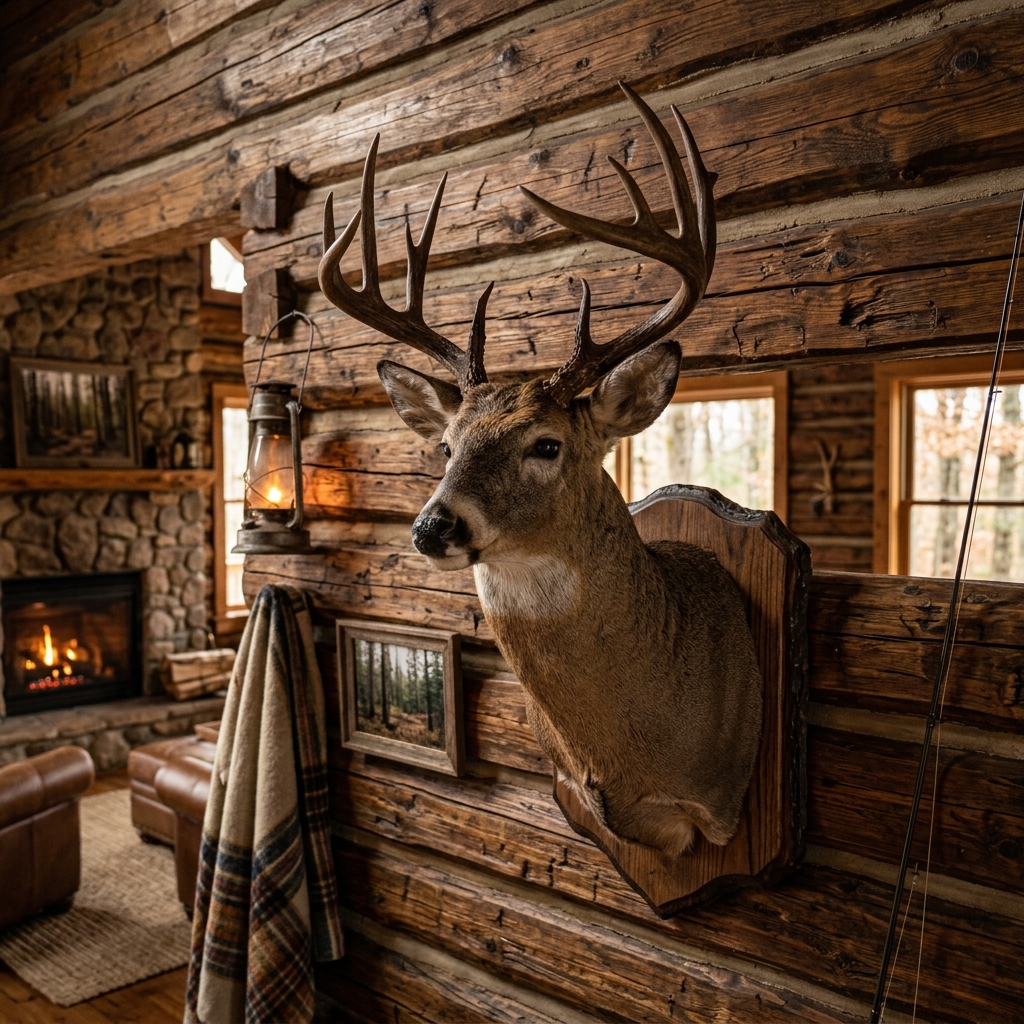
Taxidermy Poses: How to Choose the Right Mount for Your Buck
Choose the right taxidermy pose for your whitetail. Compare upright, semi-sneak, and full-sneak mounts, ear positions, room fit, and antler display tips.
Congratulations—you’ve harvested a buck worth remembering. The next decision is nearly as permanent as the hunt itself: how do you want him mounted? Choosing a taxidermy pose isn’t about chasing whatever looks flashy in a magazine. It’s about matching the buck’s personality, antler architecture, ceiling height, and the wall space you actually have.
A poorly chosen pose can hide a wide rack, exaggerate a weak neck, or make a great deer look awkward in a small room. Get it right and the mount becomes the centerpiece of the hunt story for decades.
What Are the Main Whitetail Shoulder Mount Poses?
Most whitetail shoulder mounts fall into three core poses. Taxidermists may use slightly different names, but the geometry is consistent:
- Upright — Head and neck held high, alert, often looking slightly left or right.
- Semi-sneak — Neck extended, head roughly at shoulder height; the industry standard.
- Full-sneak — Neck stretched forward and low, nearly level with the backline; aggressive and low-profile.
Pedestal mounts, wall pedestals, and full-body mounts exist too, but for most hunters the shoulder mount decision starts with these three.
Why Is the Semi-Sneak the Universal Standard?
The semi-sneak is the most common choice for good reason.
- The look: The neck is slightly extended and the head sits near shoulder height. It reads as a buck cruising timber or checking a scrape—natural, not theatrical.
- Antler display: It shows beam length and tine height without forcing the rack into the ceiling or burying brow tines against the wall.
- Room flexibility: Works in living rooms, dens, and offices with 8–9 foot ceilings when hung at typical 6–7 foot eye level.
- Forgiving anatomy: If the cape has limited neck length or the deer was younger, the semi-sneak still looks balanced.
If you’re undecided and the buck has a classic typical frame, start here. Most shops can refine ear set and head turn without changing the manikin pose.
When Should You Choose an Upright Mount?
An upright mount puts the head above the shoulders in an assertive, “on alert” posture.
Best for:
- High ceilings (10+ feet) or vaulted rooms where you want the deer to command vertical space
- Tall, heavy racks with long G2s and G3s that look dramatic when lifted
- Bucks you want to present as dominant guardians of the room
Watch-outs:
- On an 8-foot ceiling, an upright can feel cramped or force you to hang the mount too low
- Extremely wide racks (outside spreads over 22–24 inches) may need a slight head turn so antlers don’t fight the wall
- Upright poses highlight neck muscle and cape quality—any thin spots show more
Ask your taxidermist to mock up the manikin height against your wall before committing. Bring ceiling measurements and a photo of the wall space.
When Does a Full-Sneak Pose Make Sense?
The full-sneak stretches the neck forward and low—almost level with the floor plane of the mount. It’s the most aggressive shoulder pose, mimicking a buck posturing at a rival or locked in on a doe.
Best for:
- Lower ceilings where upright or tall semi-sneaks won’t fit
- Bucks with long beams and character (kickers, drop tines, stickers) that look better “driving forward”
- Display walls where horizontal drama beats vertical height
Watch-outs:
- Full-sneak needs more depth off the wall; measure furniture clearance
- Weak or short necks can look stretched if the manikin is oversized
- Not ideal if you want a formal, “portrait” look for a first trophy
Many hunters pairing a full-sneak with pinned ears get a hard-edged rut look. Soften it with ears forward if you prefer approachable over aggressive.
How Do Ear Position and Head Turn Change the Story?
Pose geometry sets the body language; ears and head angle set the expression.
Ear positioning
- Ears forward and alert: Curiosity, awareness, velvet-season softness. Ideal for younger bucks or velvet mounts.
- Ears back / pinned: Aggression and dominance—classic for rutting bruisers.
- Asymmetric ears (one forward, one back): Natural “listening” look that breaks stiffness.
Head turn
Most mounts turn 45–90 degrees left or right. A mild turn looks natural from a hallway approach; a hard turn can showcase one antler side if that side has better mass or a drop tine. Tell your taxidermist which side of the room people enter from so the buck “looks” at guests.
For antler-focused decisions—especially odd points and non-typicals—pair this guide with Understanding Drop Tines and Non-Typical Antler Traits.
How Should You Prep the Cape Before It Reaches the Shop?
The best pose in the world can’t fix a ruined cape. Field care decides whether you get a shoulder mount or settle for a European.
- Caping cuts: Follow a clean cape job—avoid cutting the throat or short-necking the hide. See Field Caping a Buck for Taxidermy.
- Cool immediately: Get the hide off heat. Ideal is ice or a cooler within 1–2 hours in warm weather (above 60°F).
- No “freezer burn stacking”: Fold hide flesh-to-flesh, bag it, and freeze flat if the shop can’t take it within 24–48 hours.
- Antlers and skull plate: Keep the plate intact unless you’ve already decided on a European mount. For skull options, compare DIY European Mounts.
- Photos for the taxidermist: Take 8–10 photos of the live or just-downed deer from front, sides, and three-quarter angles. Color phase and facial markings help matching.
Turnaround for quality shoulder mounts often runs 6–12 months. Rush jobs cost more and reduce options for custom manikins.
How Do Room Size, Ceiling Height, and Lighting Affect Pose Choice?
Treat the mount like furniture you can’t return.
| Factor | Practical guideline |
|---|---|
| Ceiling height | Under 8.5 ft → favor semi-sneak or full-sneak |
| Viewing distance | Under 8 ft → avoid extreme upright drama |
| Wall width | Narrow walls → milder head turn; wide walls → stronger turn OK |
| Lighting | Side light shows texture; overhead can cast harsh antler shadows |
| Furniture | Full-sneak needs 12–18+ inches of depth clearance |
Hang height is usually eye level to slightly above—roughly 60–72 inches to the eye of the mount for most rooms. Higher works in lodges; lower can feel like the deer is staring into your sofa.
What Questions Should You Ask Your Taxidermist?
Before you leave a deposit ($300–$800+ is common; total shoulder mounts often land $700–$1,500+ depending on region and detail):
- Which manikin sizes fit this cape and neck circumference?
- Can I see examples of upright vs. semi-sneak vs. full-sneak from your shop?
- What’s your ear-set recommendation for this specific buck?
- How will you handle velvet, broken tines, or missing tips?
- What’s the expected completion window and storage policy if I’m delayed picking up?
Bring the wall photo, ceiling height, and preferred side of turn written down. Vague instructions produce average mounts.
Pedestal, Wall Pedestal, or Classic Shoulder—What Changes?
Pose isn’t the only structural choice.
- Wall shoulder mount: Most common; requires solid stud anchoring for heavy racks
- Wall pedestal: Mount sits on a small back panel/pedestal for a floating look; needs careful balance with wide non-typicals
- Floor pedestal: 360° viewing; needs floor space and protection from kids/dogs/vacuums
Full-body mounts are a different budget class (often multiple thousands) and need a room plan before you greenlight. If your buck has spectacular character on both sides—double drops, unique mass—ask about pedestal options so guests aren’t stuck with one “good” viewing angle.
For cape quality limits, a European skull on a walnut panel remains a clean, lower-cost path that still honors a once-in-a-decade rack.
How Do You Brief the Taxidermy Shop on “Personality”?
Bring more than the cape:
- The story—rut fight, food-source sit, public-land grind
- Preference: aggressive vs. calm expression
- Habitat hints—timber buck vs. ag buck (subtle base habitat touches if offered)
- Antler repair permissions (rebuild a broken G2 or leave battle character?)
- Deadline needs (wedding, lodge opening)—rush fees are real
Good shops appreciate hunters who decide. Indecision creates generic semi-sneaks with forward ears on every deer, regardless of the animal.
Frequently Asked Questions
What’s the most popular taxidermy pose for a whitetail buck?
The semi-sneak is the most popular. It looks natural, displays antlers cleanly, and fits standard residential ceilings better than tall upright poses.
Can I change the pose after the mount is finished?
Not practically. Pose is built into the manikin and hide stretch. Decide carefully before tanning and mounting begin.
Should velvet bucks be mounted differently?
Often yes—ears forward, softer expression, and sometimes a semi-sneak that feels like summer rather than rut aggression. Protect velvet from rubbing in transport; it’s fragile.
Is a European mount better if I’m unsure about pose?
If budget, wall space, or cape condition is uncertain, a European or skull mount is a clean alternative. You can always keep the option open by freezing the cape properly while you decide.
How long should I wait before hanging a new mount?
Follow your taxidermist’s cure advice. Many recommend letting finishes fully set and choosing a stable indoor humidity environment—avoid damp basements and hot attics.
Pick the pose that fits the buck and the room, protect the cape from the moment of recovery, and give your taxidermist clear reference photos. Done right, the mount tells the hunt honestly for a lifetime.