
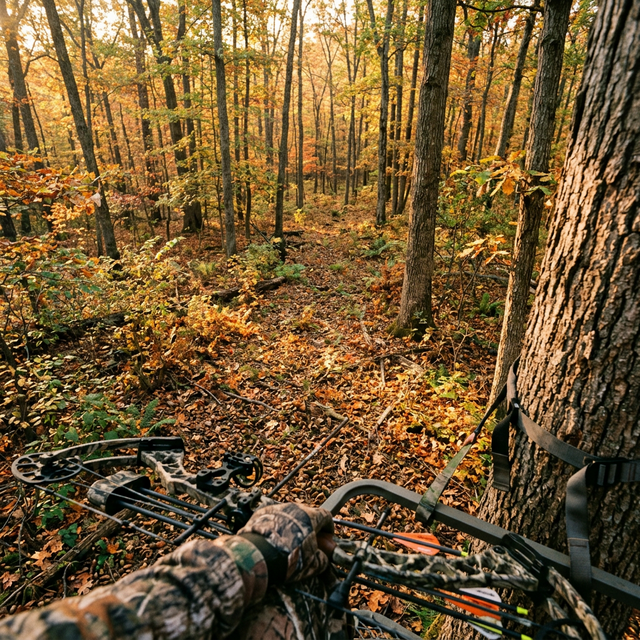
Hunting the October Lull: Cracking the Greatest Whitetail Myth
The October lull is a food shift, not dead deer. Move from fields to white oaks, use cellular cams, and hunt timber hubs when ag cameras go blank.
Ask Midwestern hunters about mid-October and you hear the same complaint: cameras die, bean fields empty, woods feel vacant. Folklore blames testosterone, pressure, or a magical “dead zone.” Collar data and dirt sign say something simpler: deer did not stop moving. They shifted to a better grocery store.
If you keep hunting August patterns in mid-October, your season feels like a lull. If you shift with the mast, it feels like opening day again.
The Myth vs the Ecological Shift
Deer conserve calories. Between roughly October 10–20 in much of the East and Midwest, hard mast often hits hard. Why walk 400 exposed yards to a picked cornfield when fatty acorns fell 10 yards from the bed?
What looks like disappearance from field-edge cameras is concentration into timber food. Movement continues—just on a smaller stage.
White Oaks Win the First Round
Hunt species, not “oaks.”
White oak acorns are sweeter (lower tannins) and get hit first. A mature buck may live inside a 150–200 yard radius around one heavy tree until it is finished. Red oaks wait their turn or win in mast-failure years.
ID and sign details: locating fall food sources. Soft mast can still matter early in the month—persimmons and soft mast—but white oak usually steals the show when drop is heavy.
Move Cameras Before You Blame the Rut Clock
If cams still face open ag on October 15, you are filming history.
Relocate to:
- Oak ridges and flats with fresh caps
- Saddles and draws tying bedding to mast
- Trails on the downwind edge of hot trees—not always the trunk itself
Prefer cellular trail cameras so you are not marching into bedrooms every three days to pull SD cards. Intrusion turns a temporary food shift into a real lock-down on pressure.
Stand Strategy for Mid-October
High-odds sets:
- Evening sits on trails from thick cover to the money tree
- All-day sits on cold fronts when bucks check multiple mast hubs
- Observation sits midday to glass funnels, then relocate next sit
Avoid burning the exact bed-to-tree trail every afternoon. Rotate two winds for the same tree when possible.
Terrain funnels still matter—hunting habitat transition zones and mountain saddle/bench tactics if you hunt hills.
Weather: Hunt the First Real Cold Fronts
October fronts wake daylight movement. Falling temps, north winds, and barometric rises often put bucks on their feet before dark.
Practical plan:
- Be in the tree the afternoon the front arrives when safe
- Focus white oak pins that still show wet, fresh sign
- Do not wait for “pre-rut” calendar stickers if mast is on
Barometer context: barometric pressure and deer movement.
Pressure and the Fake Lull
Some camera fade is hunter-caused. Opening weekends, early rifle zones, and leaf-crunch access educate deer into tighter nocturnal patterns.
Countermeasures:
- Silent entry paths raked or creek-walked
- Fewer, better sits
- Midweek hunts on public land
- Observation from long range before committing
Public patterning overlap: pattern a buck on public land.
Safety When Leaves Blanket the Ground
Mid-October hides ankle traps under fresh leaves—root holes, rocks, deadfalls. Widow-maker branches loosen on first hard winds.
- Slow down on off-trail walks
- Helmet or hard hat when hanging stands in wind
- Watch canopy as much as footing
- Mark blood carefully—red drops vanish in maple litter; see expert blood trailing tips
Bridging Into Pre-Rut
As whites taper and scrapes open, shift toward travel and doe staging without abandoning food entirely. Scrapes near leftover mast can be hybrid gold. See scrape hunting strategies and hunting the pre-rut seeking phase.
The lull ends when you stop staring at empty fields.
Scrapes, Rubs, and the Mid-October Transition
Even during the “lull,” bucks lay down sign. Fresh scrapes near white oak flats tell you travel still exists—just not on the bean field. Hunt the scrape line that connects bedding to mast on cold evenings rather than waiting for textbook pre-rut dates on a calendar.
Rub lines on saplings along ridge spines can mark the same shift. Do not over-hunt every rub you find; pick the ones with soft, wet earth and multiple diameters of tracks. When soft mast and whites both fade, those travel features become primary sets heading into late October seeking behavior.
Inventory Your Stands Before Leaf Drop Finishes
Mid-October is when leaves open sight windows you did not have in September. Recheck stand height, skyline risk, and shooting lanes. A stand that was hidden in full canopy can become a dark blob against gray sky after two windy nights. Shift to a tree with a better backdrop or add natural brushing before you educate a buck you waited all year to see.
All-Day Sits Without Burning the Hub
Mid-October cold fronts can justify longer sits, but all-day occupation of a sanctuary oak is how you create a real lull. Compromise:
- Morning: hunt a transition 75–100 yards off the bed toward mast
- Midday: glass or nap off-property
- Evening: sit the money tree or its primary trail
If you must sit all day on public land during a historic front, pick a travel saddle that serves multiple oaks rather than the single bed escape trail. That way one human silhouette does not own the buck’s bedroom all day.
Hydrate and stay scent-aware during long sits. Pack quietly; zipper noise in open October woods travels. The lull myth dies faster when hunters hunt smarter rather than sit longer on the wrong food.
Mental Game: Staying Effective Mid-Month
October frustration causes sloppy hunting—bad winds, noisy entries, and “just one quick sit” on sacred oaks. Counter that with a written mid-month plan: two mast pins, one travel pin, and mandatory rest days. Measure success by good decisions, not only deer seen.
If cameras are blank, change the question from “where did deer go?” to “which food is freshest?” Walk with purpose, grade sign, and only then hang. Busywork scouting that stomps bedding is worse than resting on the couch.
Share fewer mid-October photos of hot oaks in public forums. You will sleep better, and your pins will last longer.
Public Land Mid-October Playbook
On public land, assume field edges are contested and oak flats near parking are checked. Rank targets by walk time and terrain friction:
- White oak benches requiring a creek crossing
- Saddles between bedding thickets and mast
- Secondary oaks 100 yards off the obvious mother tree
Hunt midweek fronts when possible. On weekends, go farther or hunt observation sits that do not burn the best tree. The myth of the lull persists because crowds keep staring at the same empty beans. Be the hunter who left the lot with a pack and a plan for timber.
Stop calling blank field cameras a biological mystery. Follow the caps on the dirt, hunt the first true cold nights on white oaks, and the so-called lull turns into one of the most patternable windows of the season.
Treat mid-October like a food puzzle with a weather timer. When the first hard cold front arrives, be on a white oak trail—not on the couch refreshing empty field cameras. Do that consistently and October stops feeling dead and starts feeling decisive.
These details sound small, but stacked together they separate hunters who adapt weekly from hunters who repeat empty sits. Build the habit of updating pins, winds, and food ranks every time you leave the truck.
Frequently Asked Questions
Do deer really move less in October?
Total movement often continues; daylight field movement drops when timber food peaks. Collared deer still walk—just not where August cams pointed.
Should I quit hunting until late October?
No. Hunt mast hubs and cold fronts. Take a break only if you have over-pressured your best pin.
Why are my timber cams quiet too?
Wrong tree, wrong wind side, or deer bedded so close they arrive after dark. Recheck sign freshness and try a trail camera 40 yards off the drip line.
Is the lull the same everywhere?
Timing shifts by latitude and mast year. Southern soft mast and agricultural regions can look different—always trust local drop, not a national meme.
Can food plots beat acorns in October?
Sometimes micro-plots hold deer, but a heavy white oak usually wins head-to-head. See poor man food plots for when plots still help as staging snacks.
The October lull is hunter stagnation wearing a folklore mask. Follow hard mast, hunt the fronts, and sit 100 yards deeper than the field-edge crowd.
Confirm seasonal patterns from your cameras
Find patterns and time your hunts right when your camera history tells you what happened — and when.
No credit card
Wildsnap • Open beta
Confirm seasonal patterns from your cameras
Find patterns and time your hunts right when your camera history tells you what happened — and when.
No credit card