
Spring Shed Hunting Guide: Where and Exactly When to Find Massive Antlers
Find shed antlers with timing, cameras, and winter core areas. Learn when bucks drop, where to walk south slopes, and how to avoid stressing late-winter deer.
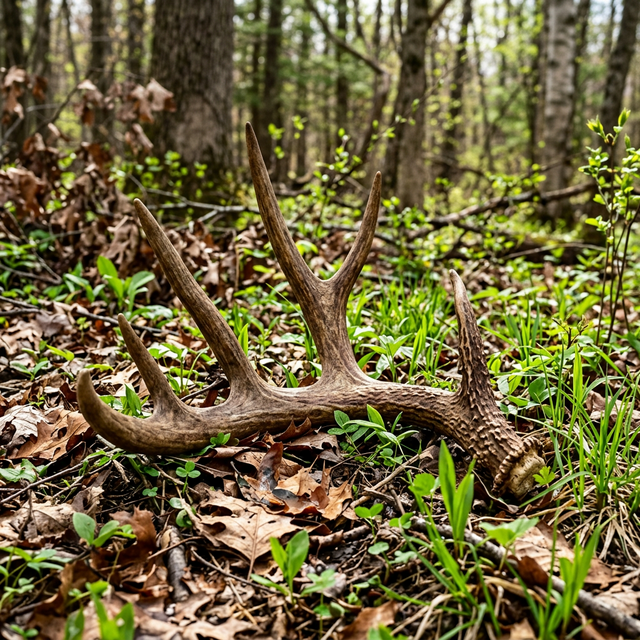
Legal deer season may end in January, but for many hunters the year never really stops. When snow retreats and the first green shoots appear, woods fill with people looking for “white gold.” Shed hunting has grown from a casual spring hike into a competitive skill—because a matched set is proof a specific buck survived gun season and winter.
Good shed hunters do not wander randomly. They time the drop, protect wintering deer from needless stress, and focus on the tiny core areas where late-winter bucks actually live.
When Bucks Drop Antlers
Antler casting is hormonal. As day length increases after the winter solstice, testosterone falls. Tissue at the pedicle weakens until the antler’s weight—or a bump on a branch—releases it cleanly.
Timing varies by latitude, winter severity, and the buck’s body condition after the rut:
- Northern herds often drop from late December through early April
- Peak finding windows commonly fall in February and March
- Hard winters and poor nutrition push drops earlier
- Healthy bucks on strong feed may hold longer into spring
Walking in January while most bucks are still racked finds almost nothing and burns calories deer cannot spare. Wait for evidence.
Use Cameras as Your Green Light
Place cellular or standard cameras on late-season food—standing corn, beans, brassicas, or legal feed sites. When bucks appear bare-headed or half-racked for several days, start your grid.
Camera discipline matters:
- Check SD cams rarely; prefer cellular to cut intrusions
- Aim at trails entering food, not the middle of open fields alone
- Note which bucks you want confirmed alive for next fall
This overlaps directly with cellular trail cameras for deer hunting and late-winter patterns in post-rut late season food sources.
Winter Core Areas Beat Random Miles
Late-winter bucks shrink home ranges to save energy. Sheds fall where they bed, feed, and cross obstacles—not where summer bachelor groups posed in August.
High-odds spots:
- Primary winter food edges — cut corn, soy stubble, brassica plots, waste grain
- South-facing bedding thickets — upper third of slopes that catch all-day sun
- Creek crossings and ditches — jump landings shake loose pedicles
- Fence crossings and blowdowns — any place a buck lifts and twists his head
- Thermal conifer cover — cedar, pine, and hemlock edges adjacent to feed
Learn bedding logic in understanding whitetail bedding areas and cold-cover tactics in hunting cedar thickets and conifer swamps.
Grid Search Method That Works
Do not “zigzag hoping.” Grid:
- Walk 15–25 yards apart with a partner when possible
- Face the sun so white bone catches light
- Slow down in beds; antlers often lie within a body-length of the depression
- Mark finds on GPS so you can return for the match
After a melt, glass open south hillsides from a distance before you walk—bone stands out against dull grass.
Ethics: Do Not Kill Deer to Find Bone
Every forced flush in late winter costs a stressed deer calories. In deep snow country, that cost can be fatal.
Rules worth keeping:
- Delay walks until cameras show widespread dropping
- Avoid busting entire deer yards repeatedly in one weekend
- Leave does and fawns bedded; loop around, do not drive them
- Pack out trash and respect private boundaries while “just looking”
Shed hunting should confirm survival, not create mortality.
Gear for Long Spring Miles
Keep it light but useful:
- Binoculars for scanning open slopes
- GPS or marked paper map of winter food/bed loops
- Snake gaiters or tough pants in southern states
- Blaze during overlapping turkey seasons where required
- Small pack for matched sets; do not leave bone piles that invite theft
Spring ticks ramp up early—treat clothing with permethrin the same way you would for early season whitetail tactics.
Turn Sheds Into Fall Intel
A shed is a data point:
- Match side and mass estimates to summer camera bucks
- Note exact bed-to-food lines for October sits
- Identify which thermal thickets held deer through the worst cold
Pair shed maps with summer velvet buck scouting so August glassing starts with last winter’s truth, not folklore.
Weather Windows and Snowmelt Timing
Shed hunting success spikes after specific weather events:
- First major melt that exposes south hillsides
- Light fresh snow that outlines bone against brown grass
- Calm, bright days when glare makes white antler pop at 80 yards
- Post-wind days that tip unstable antlers still hanging in brush
Deep crust snow that will not support your weight but supports deer is a bad walk—you punch through, deer stay efficient, and you educate yards. Wait for better footing. After floods, check debris lines along creeks where floating sheds hang up on logjams.
Bring a small folding saw only if legal and needed to free an antler pinned under a blowdown—never damage live trees for a photo. Photograph locations for fall reference, then pack sheds out the same day. Leaving bone overnight on public land is how matched sets disappear.
Group Tactics Without Chaos
Two or three hunters can grid efficiently if you assign lanes and stay quiet. Running and yelling through a deer yard finds antlers and kills deer. Use radios on low volume, pause when you jump deer, and circle wide rather than driving them. Kids learn observation skills here—teach them to glass beds before walking through them.
Agree on boundaries so you do not double-cover the same creek while ignoring the south slope. End the day by dropping pins on “high odd returns” for the next melt cycle. Shed hunting is a season, not a single Saturday flex.
Reading Beds, Trails, and Drop Timing Clues
When you find a bed, slow down. Search a body-length radius first, then expand in a spiral. Antlers often land where the buck stood up and shook, not always where he lay. Check downhill edges of beds—gravity and snowmelt slide bone a few feet.
Trail junctions near food deserve the same patience. Look for “stab” marks where a tine stuck mud, and for polished rub stubs from late winter head-shaking. Half-rack camera bucks tell you one side is already down; grid his last 7 days of trail between bed and feed first.
Keep a simple scorecard per property: hours walked, sheds found, matched sets, bucks confirmed alive. Over years that dataset beats random wandering. If a wintering area produces repeatedly, protect it—do not turn it into a March parade ground every weekend.
Late in spring, turkey hunters and shed hunters overlap. Wear blaze where required, and expect more human scent in the same south slopes you love. Go earlier in the week and earlier after confirmation photos to stay ahead of the crowd.
Legal Notes and Land Access
Shed seasons and antler possession rules vary. Some states restrict collecting on certain public lands or during specific dates; others treat sheds as free to gather where access is legal. Confirm regulations before you fill a pack. Private land always needs permission—even for “just walking.”
Join or build relationships with farmers who hold winter deer. Offering to share shed photos of bucks that lived on their ground builds trust for fall access. Never drive off-road across soft spring fields; one muddy truck scar can end a permission faster than any hunting mistake.
If you sell sheds, know interstate commerce and local rules. Many hunters keep personal collections as inventory of surviving bucks—often the higher long-term value for hunting strategy.
Frequently Asked Questions
When should I start shed hunting in the Midwest?
Often late February into March, but let cameras decide. If mature bucks still wear both sides, wait.
Why do I only find one side?
Bucks commonly drop sides hours or days apart and in different spots along a daily loop. Grid both bed and food; return after the next melt.
Are south slopes always best?
They are high-percentage winter beds in cold climates because of solar warmth. In ice storms or high wind, deer may shift to denser leeward conifers—check both.
Can I shed hunt public land aggressively?
Yes where legal, but heavy foot traffic educates deer and competes with other hunters. Go early after confirmation photos, then rotate properties.
Do mineral sites help me find sheds?
Minerals matter more in spring/summer growth seasons. For sheds, prioritize winter calories and thermal bedding over mineral licks. See establishing deer mineral sites for later in the year.
Shed season bridges winter and velvet. Time the drop, hunt the winter core—not random ridges—and treat stressed deer with restraint. The bone you carry out is last year’s story and next season’s map.
Build a cleaner history of your herd
Spend less time sorting and more time seeing what matters—when detections are organized by time and class.
No credit card
Wildsnap • Open beta
Build a cleaner history of your herd
Spend less time sorting and more time seeing what matters—when detections are organized by time and class.
No credit card