
Understanding Whitetail Bedding Areas: A Highly Technical Defense Analysis
Find mature buck beds using wind, thermals, and perimeter cameras—then hunt the fringe without blowing the sanctuary all season long Practical tips for.
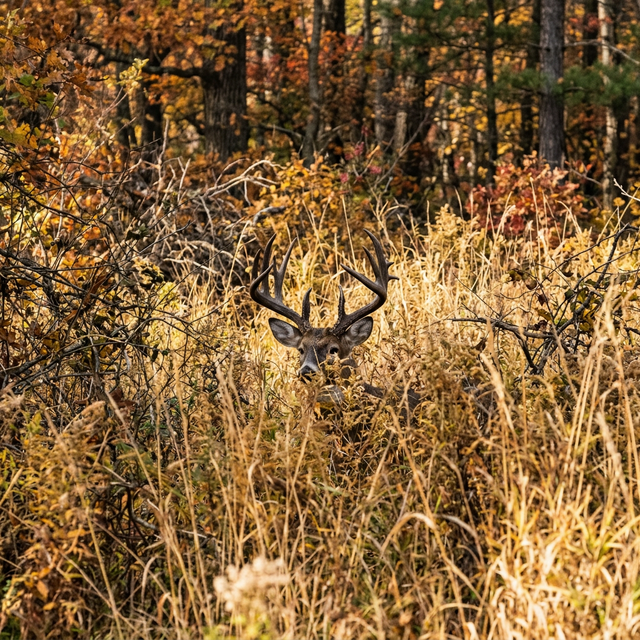
Knowing where a mature buck beds is valuable. Hunting the bed clumsily is how you educate him for the rest of the season. A bedding area is a sensory fortress: wind, sightlines, and sound barriers arranged so the deer detects danger before you reach archery range.
This guide explains how bucks choose beds, how to locate them with low intrusion, when to hunt the fringe, and how property managers should protect sanctuaries.
What a Mature Buck Wants From a Bed
Comfort is secondary. Advantage is primary.
Wind at his back, eyes downwind. Classic setup: prevailing wind hits the back of his head while he watches the downwind approach he cannot smell. He covers both senses at once.
Elevation and terrain. On ridges, leeward (downwind) benches one-third of the way down from the crest are favorites. Wind over the top covers the rear; morning thermals rising from the valley hit his face. Approaching from below or above without swirling scent is difficult—see understanding thermals.
Sound moats. In swamps, a slight dry hummock surrounded by water lets him hear splash approaches. In CRP or clearcuts, dense stem count slows predators and creates noisy entry.
Solar and thermal cover. Winter beds shift into conifers and south-facing shelter. Summer beds may favor shade and breeze. Season changes the zip code even when the personality of “nasty cover” stays constant.
How to Locate Beds Without Torching Them
Walking into the bedroom to “confirm” is usually a mistake. Use perimeter intelligence.
- E-scout the nastiness. Mark briars, blowdowns, cedar swamps, and steep ditches on imagery—e-scouting whitetails.
- Cameras on exit trails only. Hang cellular cams on edges leading toward evening food—not inside the core. Minimize card-check intrusion.
- Timestamp math. A buck on camera 10 minutes before dark is bedding close. Combine that with wind direction that day to back-azimuth toward likely beds.
- Track and sign on the fringe. Rub lines and trails on the perimeter tell stories; deep interior scouting can wait for post-season if at all.
Shed season curiosity kills sanctuaries. If you manage land, read the sanctuary rule below before you grid-search beds in March.
Bed Types by Habitat
| Habitat | Typical bed advantage | Hunt approach |
|---|---|---|
| Ridge timber | Leeward bench + thermals | Side-hill entry, hunt downwind fringe |
| Swamp/cattail | Sound moat, isolation | Edge trails, water access |
| CRP/grass | Visual concealment | Distant observation, limited sits |
| Clearcut regen | Stem count + browse | Afternoon edges on food transitions |
| Suburban micro-thicket | Human buffer | Ultra-quiet access, short windows |
Suburban micro-beds deserve their own caution—see suburban bowhunting.
When to Hunt Near Bedding
You get few chances before a buck patterns you.
Best triggers.
- First hard cold front of late October when daylight movement expands
- Pre-rut seeking when bucks stage near doe bedding
- Limited morning sits only if you can beat him to the area hours before light
Morning reality. To catch a buck returning to bed, be set extremely early with a silent, raked entry. Late arrivals bump him in the dark and train him to bed elsewhere.
Evening fringe. Often safer: sit on the first funnel between bed and food with wind blowing scent into a barrier. Do not silhouette on the skyline above his bedroom.
Connect timing with hunting the pre-rut seeking phase and pressure management in whitetail sanctuaries on small parcels.
Entry, Exit, and Scent Discipline
Bedding hunts fail on access more than on stand trees.
- Hang stands in season only when wind is perfect—or better, pre-hang in the off-window
- Exit the long way after dark so deer on food do not bust you
- Never walk the downwind rim “just to peek”
- Treat ground scent as permanent graffiti in dry leaves
Scent control products help at the margins; wind selection decides the hunt—whitetail scent control.
Sanctuary Management Rule
If you own or lease ground, define the thickest 10–20 acres (scaled to property size) as do not enter during the season. No casual scouting, no shed hunts in spring if you want maximum trust, no dragging buddies through for photos.
Deer that believe a block of cover is safe will daylight on your hunt-able edges. Deer that smell you weekly in the bedroom go nocturnal or leave.
Retrieve deer from sanctuaries carefully—wait when possible, minimize traffic, and repair the intrusion with time off that spot.
Common Bedding Mistakes
- Confirming the bed on foot the day before you hunt it
- Hunting the bed on a swirling wind because “it’s the spot”
- Morning sits with lazy entry timing
- Camera invasion inside the core
- Calling and rattling on top of the bedroom repeatedly
- Leaving a scent trail across the only exit
Strike Checklist for a Bedding-Fringe Sit
- Wind forecasts stable for the sit duration
- Thermals understood for morning vs evening
- Entry route that never crosses the downwind nose of the bed
- Stand on the first viable shot funnel—not in the bed
- Exit plan after dark
- Commitment to burn the sit only when conditions are right
Sign That Confirms a Bed vs a Loafing Spot
Not every oval in the leaves is a core bed. Look for multiple depressions, droppings of varying age, browse nips at mouth height, and trails that look like highways exiting toward food. Single random beds on a ridge walk may be temporary loafing. Core areas show repetition.
Rub lines on the exit side often mark the evening departure path—great fringe hang sites. Rubs deep inside may tempt you to invade; resist. Take photos from the edge during a deliberate, rare scouting trip, then leave.
In snow, beds show clearly—but so do your boot prints. One confirmation walk can move a buck to the next hollow. Use optics from a distance when snow makes beds obvious on hillsides.
Weather Shifts Inside the Network
North wind beds and south wind beds are often different trees in the same thicket complex. Hot, humid days push deer to shade and breeze; bitter cold pushes them into conifers. A buck you “figured out” in October may winter 200 yards away in cedar. Update the map by season rather than forcing one bed to explain all camera photos.
After heavy pressure—opening weekend, neighbor drives—expect shifts into the absolute worst cover on the property. That is when fringe sits on swamp edges shine, and when stomping the interior is most costly.
Solo vs Partner Intrusion Budget
Every human hour inside 150 yards of a bedroom costs trust. Budget your sits. Two perfect-wind evenings per week near a bed beats five mediocre morning attempts. If you hunt with partners, assign one bedding fringe to one hunter; do not take turns educating the same trail.
When you bump a buck from a bed, mark the wind and approach that failed, then leave that pocket alone long enough for him to return. Immediate revenge sits rarely work and often finish the job of relocating him.
Post-Season Learning Without Year-Round Pressure
After season, a single careful walk can teach you where beds actually were—pressed leaves, droppings, trails. Do it once, map it, and leave. Turning March into a weekly bedroom tour teaches deer that the thicket is never safe. Save intimate knowledge for planning next year’s fringe stands, not for curiosity loops.
If you find a spectacular bed complex, resist telling the entire camp the GPS pin. Over-sharing creates next November’s traffic jam on the fringe you hoped to hunt alone. Document privately, hang stands in the quiet months, and protect the advantage you earned.
Frequently Asked Questions
How close should I hunt to a known bed? Often the first trail or terrain choke outside the core—close enough for daylight intercept, far enough that your scent and noise do not enter the bedroom. Exact yards depend on cover density and wind.
Can I still-hunt bedding areas? Advanced and risky. Most hunters wound opportunities by bumping deer. Save still-hunting for big timber travel routes unless you are highly skilled—still-hunting spot and stalk.
Do bucks use the same bed daily? They use a network. Weather, pressure, and rut phase shift preferred beds within a home range. Pattern the network, not a single bowl in the leaves.
Should I hunt bedding on opening day of gun season? Pressure drives bucks into the nastiest beds. Hunting escape edges can work; stomping the core at dawn with the orange army often only bumps him past someone else.
Is daytime bedding always in the thickest cover? Usually for mature bucks under pressure. In low-pressure or hot weather, shade and wind can matter more than stem count—but security still ranks high.
How do I know if I blew a bed? Sudden nocturnal-only camera hits, abandoned trails, or a deer blasting out with the wind in his nose as you enter. Give it time and hunt elsewhere.
Respect the bedroom. Hunt the hallway. When wind, timing, and access align, the fringe of a bedding area is one of the highest-odds places in whitetail country—and one of the easiest to ruin.
Wildsnap • Open beta
Join Wildsnap and try the beta
In the open beta, you turn trail-cam data into actionable insights—free, fast, and simple.
No credit card