
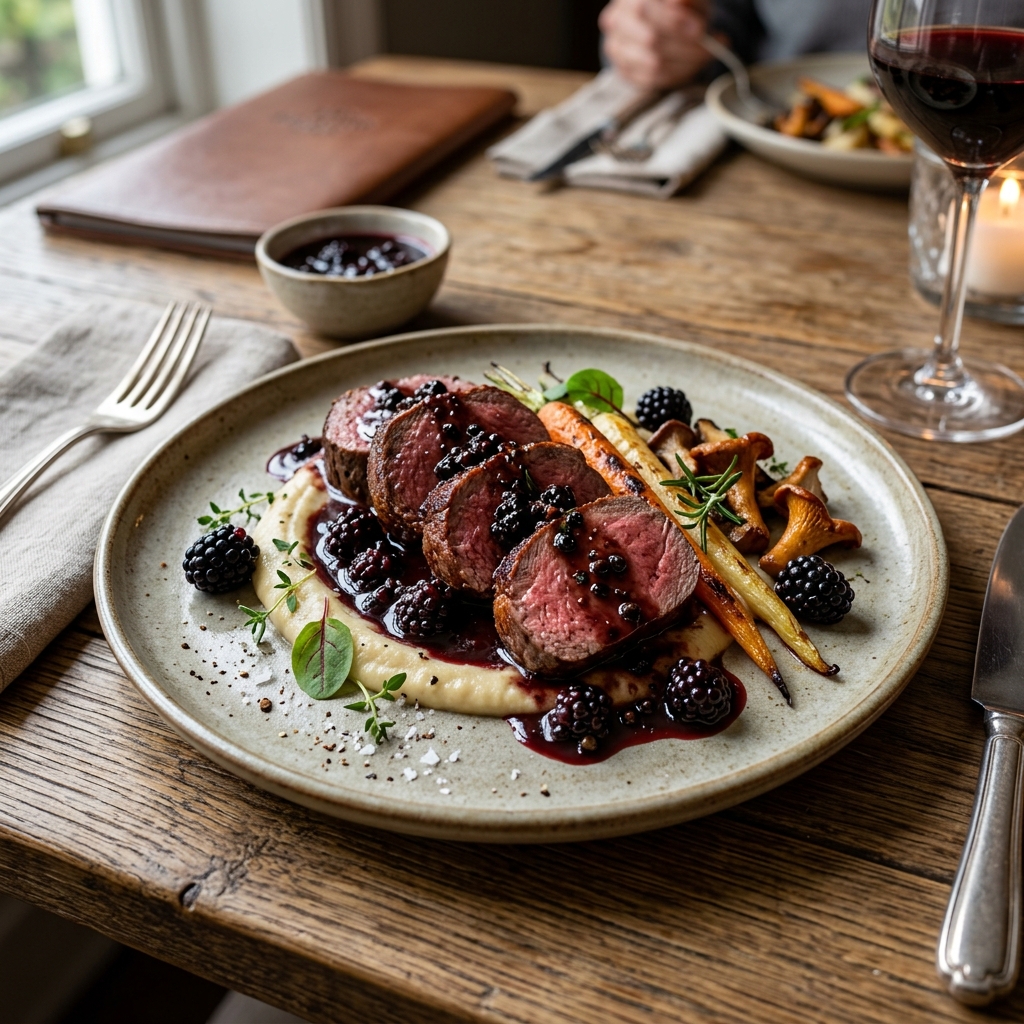
Ultimate Venison Recipes: Backstraps, Burgers, and Chili
Cook tender venison backstraps, juicy burgers, and rich chili. Master the 130°F rule, fat ratios, and field-to-fork tips that kill the gamey taste.
The reward of the hunt is some of the cleanest protein you’ll eat—if you cook it like venison, not grocery-store beef. Whitetail is famously lean. Push it past medium and it turns dry, gray, and “livery.” Treat temperature, fat, and silver skin with respect and you’ll get steakhouse backstraps, smash burgers that drip juice, and chili that tastes like a December camp stove done right.
This guide covers the cuts hunters actually cook most: loins, burger, and chili meat—with concrete temps, ratios, and timing.
Why Does Venison Taste “Gamey” When Cooked Wrong?
“Gamey” is usually a handling problem, not a species problem.
Main culprits:
- Deer tallow left on the meat — high melting point, waxy mouthfeel, strong flavor
- Silver skin left on steaks — shrinks and curls, tastes tough
- Overcooking — concentrates metallic notes as moisture leaves
- Poor field care — heat, dirt, or gut contamination in the first 2 hours
Fix before the pan: trim external fat and silver skin aggressively. For ground meat, start with clean trim, not greasy neck scraps. Cool the carcass fast—ideal quartering or skinning when air temps are under 40°F, or ice the cavities in warmer weather.
For processing workflow that feeds better cooking, see DIY Venison Processing and How to Make Venison Jerky.
What Is the 130°F Rule for Backstraps?
The loin (backstrap) has almost no marbling. Above 135°F internal, it dries fast.
Target pull temperature: 130°F for medium-rare after rest.
Reverse-sear method (1.5–2.5 inch thick loin sections)
- Season with kosher salt 40–60 minutes ahead (or overnight, uncovered in the fridge).
- Set grill or oven for indirect heat around 225–250°F.
- Cook until internal hits 115–120°F (often 25–45 minutes depending on thickness).
- Rest 5 minutes while you heat cast iron screaming hot.
- Sear 45–75 seconds per side in butter, garlic, and thyme.
- Rest 8–10 minutes. Carryover usually finishes near 130–135°F.
Slice against the grain into ½-inch medallions. If you only have thin cutlets, skip reverse sear—hot and fast, 60–90 seconds per side, and don’t walk away.
Doneness guide:
- 125–130°F: rare to medium-rare (preferred)
- 135°F: medium-rare edge
- 140°F+: increasingly dry
How Do You Make Juicy Venison Burgers?
Lean burger without added fat cooks into hockey pucks. Build the grind on purpose.
Fat ratio targets:
- Everyday burgers: 80/20 venison to pork fat (or beef fat)
- Smash burgers: 85/15 still works if you don’t overcook
- Chili grind: 90/10 is fine because of long simmer liquid
Classic Wildsnap-style burger (4 patties)
- 1.5 lb venison
- 6 oz pork fat or fatty pork shoulder
- 1 tsp kosher salt per pound (mix after grinding or just before cooking)
- ½ tsp black pepper
- Optional: 1 tsp Worcestershire, ½ tsp garlic powder
Steps:
- Keep meat near 32–35°F for clean grind.
- Grind once through a medium plate; twice if you want finer texture.
- Form 6 oz patties with a slight center dimple.
- Cook on a 400–450°F surface.
- Flip once. Pull at 140–145°F for burgers you still want juicy (or 160°F if you follow USDA guidance strictly).
Don’t overwork the grind—warm hands and aggressive mixing smear fat and toughen texture.
What’s the Best Venison Chili Formula?
Chili forgives lean meat because liquid and time rebuild tenderness. Neck, shoulder, and trim shine here.
One-pot venison chili (6–8 servings)
- 2 lb coarse-ground or ½-inch stewing venison
- 2 tbsp oil
- 1 large onion, diced
- 1 green pepper, diced
- 3 cloves garlic
- 2 tbsp chili powder
- 1 tbsp cumin
- 1 tsp smoked paprika
- 1 tsp oregano
- 1 (28 oz) crushed tomatoes
- 1 (15 oz) kidney or black beans, drained (optional)
- 1–1.5 cups beef stock
- 1 tbsp cider vinegar or lime juice at the end
- Salt to taste
Method:
- Brown meat in batches at high heat—don’t steam it.
- Soften onion/pepper 6–8 minutes; add garlic 60 seconds.
- Bloom spices 30–60 seconds in the fat.
- Add tomatoes, stock, beans; simmer 60–90 minutes partially covered.
- Finish with acid. Adjust salt.
Want thicker chili? Simmer uncovered the last 20 minutes or mash a scoop of beans into the pot. For long storage ideas beyond the freezer, see Canning Venison.
How Should You Cook Other High-Value Cuts?
Tenderloin (inner loins)
Smaller and more tender than backstrap. Sear hot, pull at 125–130°F, rest. Often done in 6–10 minutes total for whole tenderloins.
Hindquarter steaks (top round / sirloin tip)
Pound lightly or slice thin for stir-fry. Marinate 2–6 hours in oil + acid + salt. Cook fast; don’t chase steakhouse thickness without velveting or braising.
Neck and shanks
Braise at 275–300°F oven until probe-tender—often 3–5 hours. Use tomatoes, stock, or beer. This is pot-roast territory, not grill territory.
What Food-Safety Rules Should Hunters Actually Follow?
Whitetails aren’t bears, but hygiene still matters.
- Avoid contaminating meat with gut contents during field dressing—see Step-by-Step Field Dressing.
- Refrigerate below 40°F quickly; freeze at 0°F for long storage.
- Ground venison is higher risk than whole-muscle steaks because grinding distributes surface bacteria—cook burgers more thoroughly if serving kids, elderly, or immunocompromised guests.
- Toxoplasmosis risk exists in undercooked meat; USDA cites 160°F for safety. Many hunters accept lower temps for steaks while practicing clean butchery. Know your risk tolerance.
- Thaw in the fridge, not on the counter.
Label packages with cut + date. Use steaks within 9–12 months frozen for best quality; burger within 6–9 months.
Field-to-Fork Timeline: From Shot to Skillet
- 0–2 hours: Field dress, cool cavity, keep meat clean.
- Same day / next day: Skin, quarter, or deliver to processor.
- Aging (optional): 4–7 days at 34–38°F on bone for tender loins if you have controlled space.
- Butchery: Separate loins whole; grind trim with planned fat.
- Cook: Match method to cut—hot/fast for loins, low/slow for collagens.
Great recipes can’t rescue meat that sat warm in a truck bed for six hours. Cooking starts in the field.
Marinades and Seasoning: What Actually Helps?
Venison loves salt, smoke, acid, and browning. It doesn’t need 20-ingredient rubs.
Simple backstrap finish:
- Kosher salt and black pepper
- Garlic + thyme in the sear butter
- Optional: coffee-chili rub (1 tbsp ground coffee, 1 tsp chili, 1 tsp brown sugar, 1 tsp salt) for thicker loin sections
Stir-fry marinade (2–6 hours):
- 3 tbsp soy sauce
- 1 tbsp oil
- 1 tbsp rice vinegar or citrus
- 1 tsp grated ginger
- Pinch of red pepper
Slice hindquarter thin across the grain after a partial freeze (20–30 minutes) for cleaner cuts. Marinate cold. Cook in a ripping-hot pan in small batches so meat sears instead of steams.
For burger night, cheese and fat do more than fancy seasoning. American or sharp cheddar, grilled onions, and a soft bun beat a dry “wild game” spice bomb every time.
Freezer Organization for Better Weeknight Meals
Label packages by cut + meal destiny, not just “deer 2026”:
Backstrap – reverse searBurger 80/20 – 1 lbNeck – braise/chiliTenderloin – hot searStew cubes – 1 lb
Freeze flat in quart bags so you can thaw only what you need. Keep a simple inventory note on the freezer door. Hunters waste more meat to freezer chaos than to “gamey” flavor.
Frequently Asked Questions
Should I soak venison in milk or saltwater?
Not required if the animal was clean and trimmed well. A short brine (1–2% salt) can help moisture on thin steaks, but milk soaks are mostly tradition. Fix fat and temperature first.
What oil should I sear backstraps in?
Use a high-smoke-point oil (avocado, refined peanut, canola) for the initial sear, then add butter at the end so milk solids don’t burn.
Can I substitute beef suet for pork fat in burger?
Yes. Beef fat works. Pork fat is popular because it’s neutral and soft. Avoid rendering pure deer tallow into burger—flavor suffers.
How do I reheat leftover venison without drying it out?
Low and slow: 250°F oven with a splash of stock under foil, or slice thin and warm in a sauce. Microwaves wreck loins.
What’s the single biggest upgrade for better venison dinners?
A $15 instant-read thermometer and ruthless silver-skin trimming. Those two beat any spice rub.
Pull loins early, add fat to burger on purpose, and give chili time. Venison isn’t difficult—it’s exact. Hit the numbers and the “gamey” reputation disappears.