
Meat Spoilage Limits: The Forensic Science of Tracking a Deer Overnight
Must you leave a wounded deer overnight? Learn temperature windows, bone-sour signs, salvage rules, and when waiting overnight still keeps venison safe to eat.
Few decisions feel worse than a marginal shot at last light. Push now and you may bump a wounded buck onto the next property. Wait overnight and you race bacteria inside a warm carcass. The ethical default is usually to back out and give the animal time—but only if you understand the thermal clock on the meat.
Responsible recovery means balancing trail ethics with food safety. Temperature, gut contents, and how the animal died all change how long you have.
The Tracking Decision at Dark
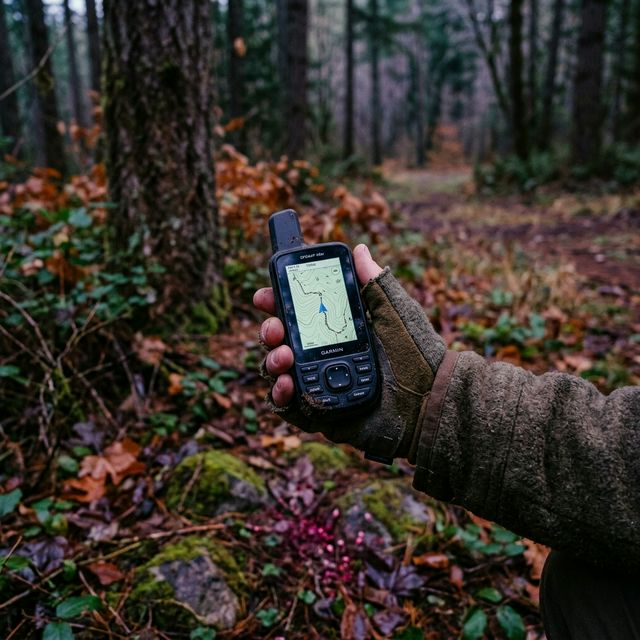
If the hit looks non-lethal or questionable (high, single-lung, paunch), forcing a trail in the dark often turns a recoverable deer into a lost one. Mark last blood, GPS the spot, and leave quietly.
Exceptions when you should keep going carefully:
- Hard rain that will erase blood within the hour
- Confirmed heart/lung hit with heavy arterial spray and short expected bed distance
- Coyote or free-ranging dog pressure in the immediate area
- Temperatures stuck above 60°F with no overnight cool-down
For systematic trailing technique after you resume at first light, use expert blood trailing tips.
The 40-Degree Rule and Danger Zone
Ambient air is the main spoilage driver after death. A deer’s core is roughly 101°F. Thick hide and muscle hold that heat until cooler air pulls it down.
Practical windows most meat hunters use:
- Under 40°F overnight lows: Carcass behaves like a walk-in cooler. Many hunters have a workable 12–24 hour window before major degradation, especially if the cavity is opened soon after recovery.
- 40–50°F: Moderate risk. Aim to recover and open the cavity within 8–12 hours when possible.
- Over 60°F night lows: Bone sour risk rises fast. Target recovery inside 4–6 hours. Hips and shoulders sour first.
Humidity, carcass size, and whether the deer bedded in sun or shade all nudge these windows. A 250-pound buck holds heat longer than a doe.
Shot Placement and Spoilage Speed
A clean double-lung pass-through cools faster once you open the cavity. A gut shot is different. Digestive bacteria and acids accelerate spoilage wherever entrails contact meat.
If you know it was a paunch hit:
- Give the animal more time to expire (often 8–12 hours) so you do not push it.
- Accept that salvage rate may drop even if overnight air is cool.
- On recovery, peel away any green-stained loins and rib meat immediately.
Pair shot discipline with equipment choices from fixed vs mechanical broadheads and heavy vs light arrows FOC so overnight tracking is rarer in the first place.
Field Checks Before You Pack Out
When you find the deer the next morning, do a quick salvage inspection before celebrating:
- Deep joint test: Cut into a hip ball-and-socket. Rotten-egg smell, wet-dog odor, or greenish-yellow fluid means deep souring.
- Gas bloat: A tight, puffy belly signals overnight fermentation. If stomach contents leaked onto tenderloins, trim aggressively or discard those sections.
- Thumb press: Press a thick muscle. Healthy meat springs back. A lasting mushy dent suggests cellular breakdown.
- Hide feel: Slimy, sticky film that rinsing does not remove is a discard signal.
When in doubt, discard compromised quarters. Free meat is not worth foodborne illness.
Salvage Strategy in Warm Weather
If temps stay high:
- Get the hide off the salvageable quarters as soon as practical.
- Separate bone-in hips if joints smell clean.
- Use game bags and shade; ice in coolers if you can pack it in.
- Do not stack warm quarters in a closed truck bed.
For processing after a clean recovery, step-by-step field dressing and DIY venison processing keep the cold chain intact. Long-term storage options like canning venison only apply to meat that already passed the smell and texture tests.
Bacteria Risks You Cannot Cook Away Casually
Spoiled venison can harbor Salmonella, pathogenic E. coli, and—rarely in improperly handled anaerobic pockets—Clostridium risks. Cooking may kill some bacteria but does not reliably neutralize all toxins already produced in sour meat.
Hard discard indicators:
- Persistent sour or sweet-rot smell after trimming
- Green or iridescent sheen at the bone
- Slimy texture that returns after wiping
- Maggot activity in warm weather
Never feed questionable trim to dogs either; they are not immune to the same pathogens.
Planning Ahead So Overnight Is Rare
Prevention beats forensics:
- Practice yardage until 30–40 yards feels automatic
- Pass on quartering-away shots through heavy brush at last light
- Carry a quality light and flagging for blood
- Know your exit and property boundaries before the shot
If you hunt remote timber where recoveries run long, build the same redundancy mindset used in mountain whitetail hunting tactics—mark, communicate, and do not let pride push a bad trail.
Temperature Logs and Decision Charts
Carry a cheap thermometer or trust a reliable forecast low for your exact ridge—not the town airport 20 miles away. Hollows can run 5–10°F colder than ridgetops; southern exposures hold heat longer after sunrise.
Use this field chart as a starting point, then adjust for carcass size and gut contamination:
- Under 35°F, clean lung shot: 12–24 hours often workable if you open the cavity on recovery
- 35–50°F, clean shot: Target under 10–12 hours
- 50–60°F: Push for under 8 hours; shade and airflow matter
- Over 60°F: Under 4–6 hours; plan night recovery or a careful push
- Any temperature + gut shot: Expect higher trim loss; open and peel contaminated meat immediately
If rain is coming and blood will wash, you may need a careful night trail even when temperatures favor waiting. Mark last blood with multiple flags and GPS pins so you can resume without guessing. Document wind and time of shot in your phone notes—those details matter when you reconstruct the hit at daylight.
Big bucks hold heat longer than does. A heavy, intact hide is insulation. In borderline weather, prioritize getting the deer found and opened over posing for photos. The selfie can wait 20 minutes; bone sour will not.
Cooler Chain From Woods to Freezer
Spoilage control does not end when you find the deer. The next two hours decide whether clean quarters stay clean.
- Get hide off salvageable sections if air is warm
- Separate questionable trim into a discard bag immediately
- Use breathable game bags—not sealed plastic—while meat is still warm
- Ice in coolers with drainage so meat does not sit in bloody water
- Get to refrigeration before you nap “for just an hour”
Quartering in the field is often smarter than dragging a whole carcass through 70°F midday heat. If you only salvage backstraps and one clean ham, that is still a win compared with poisoning a freezer full of sour meat. Keep raw meat away from truck seats and cab heat—use a bed cooler with ice already staged.
When processing later, smell every major muscle group again as you break the deer down. Warm truck rides can advance spoilage that looked marginal at the trailhead. When family will eat the meal, bias toward discarding borderline sections without guilt.
Frequently Asked Questions
Is venison safe after 12 hours in the woods?
Often yes if overnight lows stayed near or under 40°F, the deer was not heavily gut-shot, and field checks pass. Above 60°F, 12 hours is frequently too long for whole-carcass quality.
What is bone sour?
Heat trapped against bone—especially hips and shoulders—lets bacteria spoil meat from the inside while the outer surface still looks fine. Always check deep joints, not just surface muscle.
Should I field dress immediately after an overnight find?
Yes, if the animal is expired and the meat still looks salvageable. Opening the cavity dumps heat. Trim any contaminated sections before packing.
Can I wash sour smell off with water or vinegar?
Surface rinse can help with dirt and light contamination. It will not fix deep souring. If odor returns after trimming and airing, discard that portion.
Does hanging overnight in a tree help?
Elevating can reduce scavenger loss and improve airflow, but it does not beat ambient temperature. In warm weather, shade and opening the cavity matter more than height alone.
Ethical hunting includes the hard call to wait—and the harder call to discard meat that failed the smell and texture tests. Know your temperature window, mark last blood, and protect both the chase and the people who will eat the harvest.