
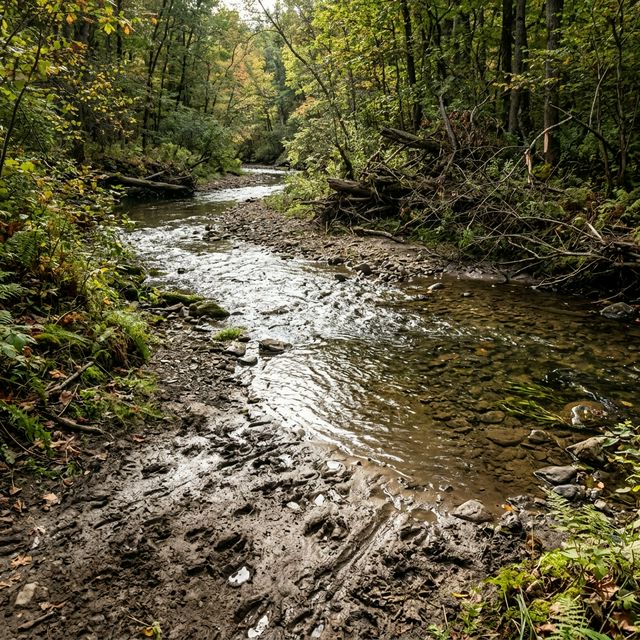
Hunting River Bottoms and Creek Crossings: A Masterclass in Riparian Zones
Hunt river bottoms and creek crossings: find hard-bottom fords, oxbow beds, riparian thermals, boat access tactics, and flood-safety rules Practical tips.
In big timber, saddles and ridges steer deer. In farm country and valley systems, moving water often writes the travel map. River bottoms and creek drainages offer browse, thick cover, and predictable—but tricky—airflow. Hunters who learn crossings, oxbows, and riparian thermals find bucks that casual pressure never reaches.
This guide covers how to find real crossings, bedding fortresses in bends, thermal timing, access methods, and safety around flood-prone ground.
Why Deer Use Riparian Corridors
Creek and river corridors deliver:
- Soft edges and early green in spring; woody browse and mast in fall
- Dense willow, cane, multiflora, and grass cover humans avoid
- Natural funnels where steep banks force travel to specific ramps
- Moisture and thermal cover in heat and cold
Think of major bottoms as interstates with limited on-ramps. Your job is to find the ramps.
Finding the Real Crossing: Slack Water and Hard Bottoms
Deer swim, but they prefer efficient crossings: shallower current, lower banks, and firm footing.
Bank scars. Look for V-shaped worn entry points where decades of hooves collapsed steep mud into a ramp. Fresh tracks and droppings confirm current use.
Hard-bottom check. Wade the scar when safe. Gravel or packed hardpan beats belly-deep soup. Soft plunging mud slows escape; deer avoid it when a better ford exists nearby. One good hard-bottom crossing can funnel animals from long stretches of river.
Confluences and inside bends. Side creeks entering main flows, and slower inside bends, often concentrate traffic.
Mark crossings on your map, then find the first cover choke on either side for a stand—not necessarily the water’s edge itself.
Oxbow Beds: The Moat Advantage
Sharp U-bends create peninsulas and semi-isolated high spots wrapped in water and thick vegetation. Mature bucks bed on the dry knob with water at their backs, watching the narrow entrance trail while wind covers the mainland.
Do not stalk the bed. You will splash, swirl scent, and educate him. Hunt the transition trail that leaves the fortress toward food in the evening, or the return path for carefully timed mornings.
Bedding logic elsewhere still applies—understanding whitetail bedding areas.
Riparian Thermals: Why Wind “Swirls”
Water temperature and valley walls create airflow that frustrates app forecasts.
Mornings. As ridges warm, air often pulls upslope out of the bottom. High-bank morning sets can carry scent up and away if timed right.
Evenings. Cooling air sinks into the channel and can drag your scent downstream for long distances. Sitting on the waterline at dusk is a classic way to clear a half-mile of deer.
Fix. For evenings, sit slightly above the main travel line, off the absolute lowest shelf, so you are not inside the pooling cold-air river. Verify constantly with powder. Deep dive: understanding thermals.
Scent discipline remains mandatory—whitetail scent control.
Access: Boots, Waders, and Boats
Bottom hunters who stay dry on the easy bank hunt with everyone else.
- Chest waders to cross and hunt the far-side trail
- Kayak or canoe to reach landlocked oxbows and islands—kayak and canoe access hunting
- Quiet exit plans that do not bump evening feeders on the same sandbar you hope to hunt tomorrow
Flood debris and mud make noisy walking. Slow down. Still-hunting creek edges after rain can work when tracks print clearly—still-hunting.
Stand Placement Patterns That Work
- Crossing approach trail 30–60 yards off the water in cover
- Levee or terrace above evening thermal dump
- Funnel between oxbow bed and ag field
- Confluence hub where two drainages meet
Pre-hang with the winds you will actually hunt. Bottoms punish one-tree loyalty.
Flood and Bank Safety
Riparian zones change under your feet.
Flash floods. Rain upstream—not over your truck—can raise a creek feet in minutes. Check the whole basin forecast. Have an exit to high ground.
Undercut banks. Alluvial soil collapses. Inspect tree root systems before hanging stands. Avoid leaning heavy climbers on trees perched on hollow cutbanks.
Hypothermia. Wet waders plus wind is an emergency. Carry dry layers in a waterproof bag.
Always wear a proper fall-arrest system in trees—bottoms do not cancel tree stand safety.
Seasonal Notes
- Early season: greens and shade; morning thermals matter in heat
- Rut: bucks cruise creek travel corridors checking doe bedding pockets
- Late season: thermal cover in conifer pockets along streams; food fields above the floodplain
After harvest, cool meat fast in humid bottoms—meat spoilage limits.
Common River-Bottom Mistakes
- Hunting the scenic bank with swirling evening scent
- Ignoring hard-bottom verification
- Stalking oxbow beds directly
- Trusting the phone wind arrow in a gorge
- Leaving no flood exit plan
- Hanging on undercut trees
Scout Checklist
- Float or walk to inventory bank scars
- Probe footing at candidate crossings
- Map oxbows and high ground islands
- Log morning vs evening powder tests at two elevations
- Choose access that keeps scent off the primary trail
- Stage a stand for each dominant wind
Scouting by Boat Without Burning the Spot
A quiet kayak cruise at midday in preseason lets you inventory scars, beaver activity, and blowdown funnels without leaving ground scent on every trail. Glass banks with binoculars; stop short of climbing onto every oxbow peninsula. Take GPS pins of crossings, then return on foot later only to hang stands on the correct wind.
In season, boat access should dump you downwind or crosswind of the hunt zone. Paddling upwind into a bedding oxbow at dawn is a classic bust. Stage the craft securely—rising water can float an unsecured kayak overnight.
Rub Lines, Scrapes, and Bottom Rut Behavior
Rutting bucks cruise creek corridors because doe bedding pockets stack along the moisture edge. Scrapes under riverbank maples can look hot and go cold with flooding. Focus on crossings and terrace trails that stay usable when water rises two feet. A scrape underwater is not a morning plan.
During lockdown, bucks may pin does in willow thickets on high ground islands. Hunt the edges, not the interior, and expect short-range encounters. Bring soft calls; save marathon rattling for open timber elsewhere.
Mud, Noise, and Clothing
Wet bottoms amplify sound. Soft-soled rubber boots or quality waders beat hard plastic treads that slap mud. Trim hanging gear so nothing clinks when you lean. A single careless step into a submerged log can echo like a gunshot under a clay bank—slow is loudness control.
Pack a dry bag with spare insulation. Sweaty approaches followed by motionless sits in evaporative cold end hunts early—and endanger you.
Insect and Tick Reality
Warm-month bottom hunts mean mosquitoes and ticks at scale. Treat clothing, seal cuffs, and do full tick checks. Tick-borne illness is the real medical story of low ground, not folklore. A river-bottom education should include medical caution, not only thermal theory.
Carry antihistamines if you react to bites, and know the nearest urgent care on travel trips. Miserable hunters fidget, slap, and leak scent. Comfort is concealment.
Legal Access Along Water
River corridors often weave public and private banks. A creek is not a free passport onto posted ground. Confirm which bank and islands you may hunt, and whether walking the high-water mark is legal in that state. Floating past a posted oxbow does not grant permission to step ashore and hang a stand. Carry a map app with property layers and respect paint and signs as seriously as you respect thermals.
After the Flood Recheck
Major rises rearrange crossings. Logjams create new ramps; old scars wash away. After any serious flood, re-wade candidate fords before you trust last year’s pin. Hunters who skip the recheck sit on ghost trails while deer use a new hard bottom two bends downstream.
Take fresh photos of bank angles and footing notes in your map app. Flood years are when patient bottom hunters separate from everyone still sitting last October’s tree. Confirm legal access again too—high water can change which banks are approachable without crossing posted ground.
Frequently Asked Questions
Are creek crossings better morning or evening? Both can work. Mornings often favor higher banks as air lifts; evenings demand elevation above the sink. Match stand height to the thermal period.
Do deer cross at the same place in high water? They shift to shallower alternates or delay crossing. Flood days can move traffic—re-scout after major rises.
Is a ground blind smart in bottoms? Yes for wind containment and mosquitoes, if floods will not float it away. Anchor and place above typical high-water marks.
Can I rattle in a river bottom? Yes during seeking phases; sound carries oddly over water. Keep sequences realistic and watch downwind approaches.
What boots are best? Waterproof leather or rubber for muddy trails; dedicated waders for crossings. Change wet socks—trench foot ruins weeks.
How do I e-scout bottoms? Trace meanders, oxbows, and terrace timber on imagery, then confirm crossings on foot—e-scouting whitetails.
Follow the water, verify the ford, respect the sink of evening air, and leave oxbow bedrooms alone. River bucks are not mythical—they are efficient—and efficiency leaves sign if you learn to read mud and current.
Wildsnap • Open beta
Join Wildsnap and try the beta
In the open beta, you turn trail-cam data into actionable insights—free, fast, and simple.
No credit card